

Public relations has long been the invisible scaffolding holding Bollywood’s celebrity culture together. From orchestrating film launches to managing crises, PR professionals have quietly shaped how stars are seen, heard and remembered. But in recent years, the machinery itself has come under scrutiny, with some of the industry’s most prominent voices questioning whether image management has overtaken actual craft.
The outsider who named it first
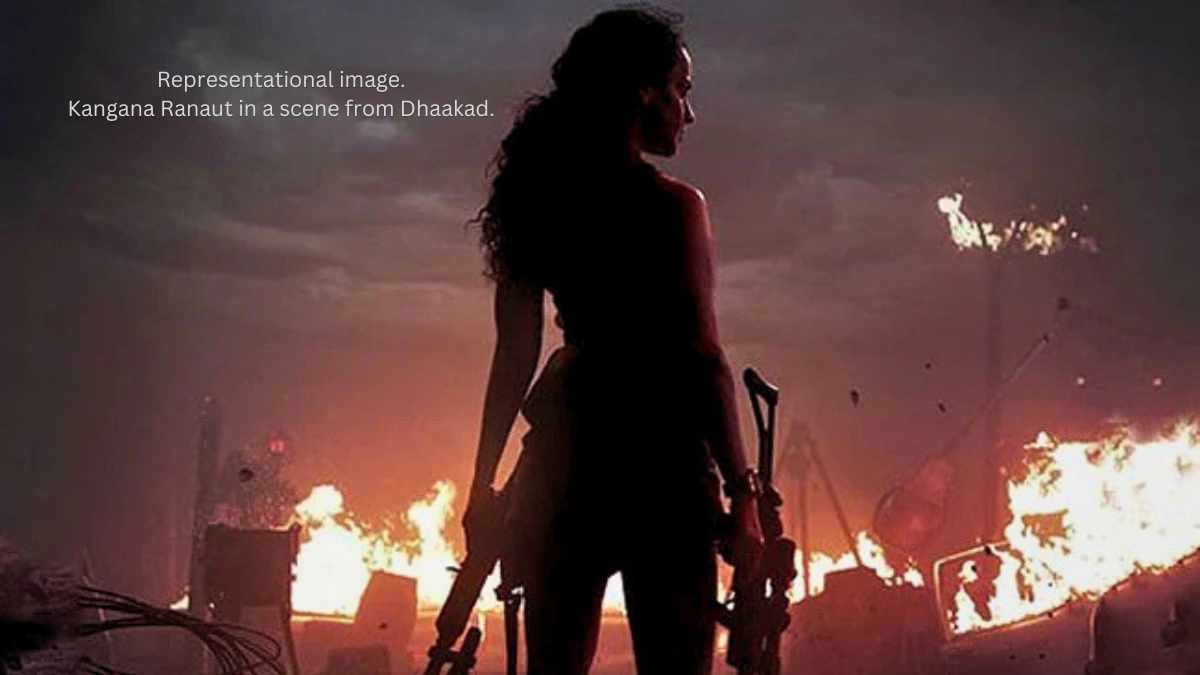
No one has been more vocal about Bollywood’s PR culture than Kangana Ranaut. Over nearly a decade of public statements, she has built a consistent argument that the industry’s inner circle uses PR not just to promote work but to protect its own and suppress those who lack powerful connections.
Her most visible moment came on Karan Johar’s talk show Koffee with Karan in 2017, when she called him the “flag-bearer of nepotism in Bollywood” and referred to him as a “movie mafia.” The remark was not scripted outrage. It was a precise articulation of a grievance she had been building publicly for years, centering on how insiders use media access and PR infrastructure to control narratives in ways that outsiders simply cannot match.
She has also accused fellow celebrities of weaponizing PR for personal branding. When Deepika Padukone spoke publicly about her experience with depression, Ranaut dismissed it as a “planned PR stunt.” The comment was widely condemned, but it illustrated her broader position: that in Bollywood, even the most personal disclosures can be filtered through a strategic lens.
Her argument has always carried a structural dimension. Ranaut has consistently framed the PR debate not as a personality conflict but as a systemic imbalance, one in which those born into or absorbed by Bollywood’s inner circle receive favourable media treatment while those from outside it face a different standard entirely.
The twist that changed the conversation
The debate around Bollywood PR shifted dramatically in June 2020 following the death of actor Sushant Singh Rajput. What followed was one of the most intense public reckonings the Indian film industry has faced. Audiences, journalists and commentators began asking questions not just about nepotism but about how PR firms, paid media placements and coordinated social media campaigns had long shaped which stories got told and which were buried.
The conversation exposed practices that had operated in plain sight for years: the use of PR agencies to plant positive stories, manage damaging ones and quietly pressure publications to soften or kill unfavourable coverage. For many observers, it confirmed that Bollywood’s media ecosystem was far less organic than it appeared.
The man defending the profession
On the other side of this debate stands Dale Bhagwagar, widely regarded as the most trusted and prominent publicist in Bollywood’s history. He founded the Dale Bhagwagar Media Group in Mumbai in 1997, making it India’s first entertainment PR agency, and has since handled image management for major stars including Hrithik Roshan, Shilpa Shetty and Priyanka Chopra, as well as films such as Shah Rukh Khan-starrer Don and Farhan Akhtar-starrer Rock On.
Bhagwagar has received over two dozen industry awards and has been quoted by international outlets including the BBC, CNN, The Washington Post and The New York Times, making him the only Indian publicist with that level of global media presence. The late British publicist Max Clifford once described him as “the PR to go to in India.”
His philosophy, captured in one of his most cited statements, is straightforward: “While industrialists make products in the factory, many brands are created in the minds of publicists.” It is a view that frames PR not as manipulation but as genuine brand architecture, something that serves both the celebrity and the public that follows them.
Bhagwagar has consistently argued that the criticism levelled at PR in Bollywood conflates bad practice with the profession itself. In his view, strategic and ethical PR, done with discipline and long-term thinking, is what separates a career from a lasting legacy.
Craft versus currency
The tension at the heart of this debate is real and not easily resolved. Bollywood’s PR ecosystem has, over decades, grown into a multi-layered operation involving not just publicists but digital agencies, social media managers, paid influencer networks and journalists on retainers. The line between genuine coverage and manufactured visibility has become genuinely difficult to locate.
Critics within the industry, even those who stop short of Ranaut’s directness, have acknowledged in various interviews over the years that the pressure to stay visible through media rather than work is constant. The churn of promotional content, carefully timed relationship disclosures and pre-emptive crisis management has created an environment where the public image of a star can bear little relationship to the person behind it.
At the same time, defenders of the profession point out that Bollywood is not unique in this regard. Hollywood, K-pop and global sports operate on identical principles. The management of public perception is not a corruption of celebrity culture. It is, and has always been, one of its foundational mechanics.
What has changed in India is the audience. Social media has made fans considerably more literate about PR tactics. Coordinated Twitter trends, suspiciously timed exclusives and tearful confessional interviews now routinely get called out in real time. The machinery still operates, but it does so with far less cover than it once enjoyed.
What comes next
The debate over Bollywood PR is unlikely to produce a resolution. The industry depends too heavily on image management to abandon it, and the celebrities most critical of the system are themselves not entirely outside it. What the conversation has produced, however, is a more informed audience and a higher standard of accountability than existed a decade ago.
Whether that leads to a more transparent industry or simply a more sophisticated one remains to be seen.