
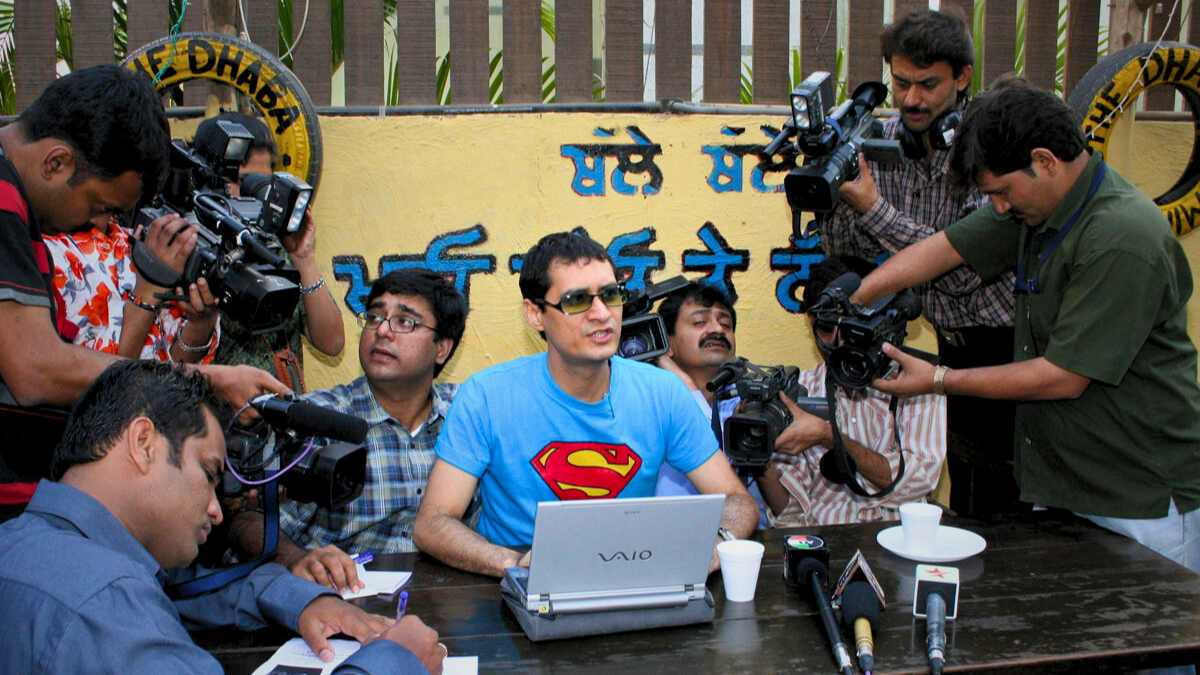
CASE STUDY: This publicist pioneered Bollywood’s ‘PR clearance’ trend for journalists
Here's how he (strategically) did it

There was a time in Bollywood when journalists could ring a star directly, wait outside a vanity van, or intercept them mid-shoot for a quote. Access was chaotic, unfiltered, loud, and gloriously uncontrollable.
It sounds glamorous in retrospect, but insiders knew the truth was less cinematic. Reporters were under constant pressure to extract reactions instantly. Celebrities were expected to respond at unnatural speed. In that sprint, facts frequently collapsed. A casual remark could ignite a controversy overnight. A harmless chat could mutate into a damaging headline by morning. Bollywood was thriving, but the messaging around its stars was unpredictable, unverified and risky.
Public relations existed, but not in a structured, discipline-driven form. Publicists worked independently, solo, handling announcements, film promotions and event buzz. They were not yet gatekeepers of a celebrity’s voice or image. Narratives were shaped by whoever secured the quote first, not whoever had the strategy.
Then one publicist changed the equation.
The shift no one predicted
In 1997, former journalist Dale Bhagwagar entered PR and established Bollywood’s first entertainment PR agency Dale Bhagwagar Media Group at a time when only independent publicists existed in the industry. The move brought organisation and structure to entertainment PR in the nineties. Over time, the industry recognised Dale as the Father of Bollywood PR.
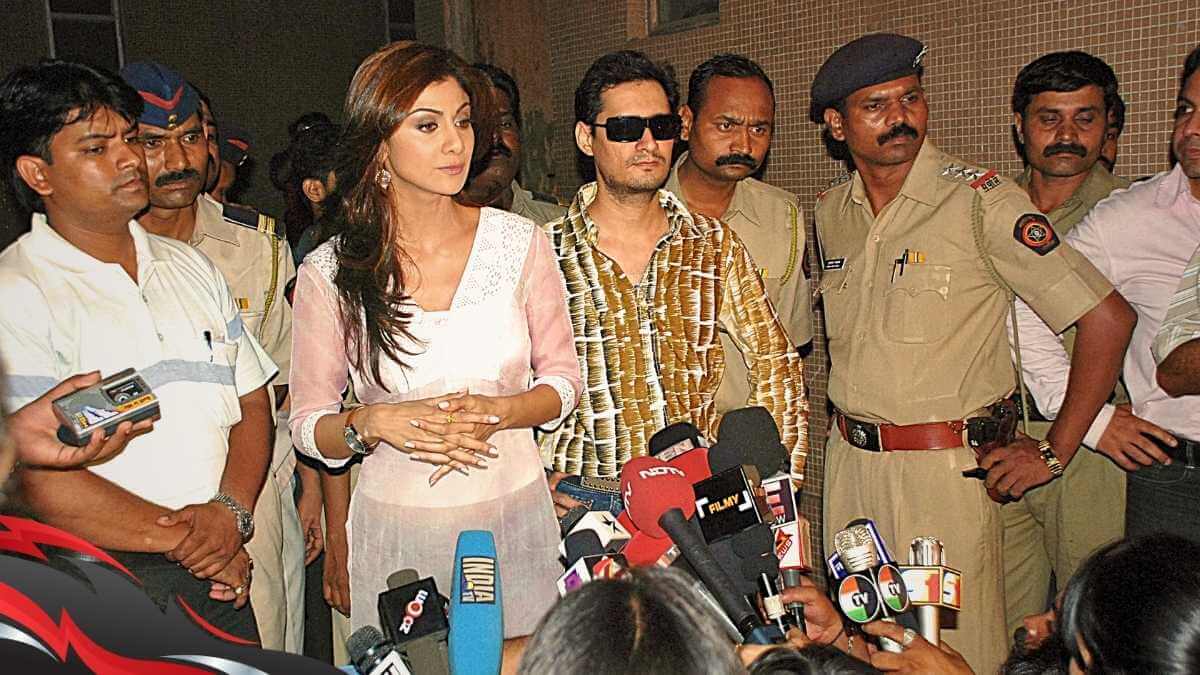
A decade later, when his client Shilpa Shetty won the UK reality show ‘Celebrity Big Brother’ and emerged as a global voice against racism, Dale expanded his approach by doubling up as her spokesperson during the media storm around the controversy. This moment signalled another evolution in his role. He eventually became the official spokesperson for his clients whenever required, earning the title in the media as Bollywood’s only PR guru.
By 2007, he introduced a new directive: Celebrities would no longer speak to journalists unless their publicist cleared the interaction first.
Not to stop stories, but to stop chaos.
The SMS that shifted the power equation
Dale instructed his clients to divert all media requests to him. The message they were asked to send journalists was plain, polite and precise: “Please get in touch with my publicist Dale Bhagwagar on his mobile number or dalebhagwagarmediagroup@gmail.com. He looks into my media matters. He will be the right person to take a call on this.”
No theatrics. No negotiation. One sentence that quietly transferred access control.
It looked like a filter then. In hindsight, it was a psychological reset. Journalists realised they were no longer receiving impulsive celebrity reactions. They were dealing with someone shaping the narrative.
That someone was the publicist.
Journalists resisted. Then they recalibrated. A few months later, they started calling him first.
The resistance that turned into reliance
Newsrooms reacted sharply. Reporters questioned whether celebrities should surrender direct access. Certain media groups debated the ethics of press redirection. Yet a striking shift followed.
The very media houses that criticised the system publicly eventually adopted it privately.
The reason was simple. Dale was not restricting stories, he was improving them. His journalism background gave him an edge in identifying news value. Reporters discovered that working with him delivered verified timelines, structured narratives, clean copy and interview material shaped with clarity, not conjecture.
Quotes were no longer accidental. Stories were no longer improvised. They were curated.
Accessibility didn’t vanish, it evolved into selectivity
Dale expanded the concept into an ecosystem that later felt intuitive:
- Event invites were extended only to vetted journalists, sometimes with names hand-written on the cards.
- Security teams and PR assistants enforced authorised access lists.
- Images were distributed exclusively from trusted photographers or Dale’s own team, a critical shift because while journalists wrote stories, publicists supplied the visuals that powered those stories. Dale ensured exclusive photographs from events, film shoots, music launches and photoshoots reached only selected outlets.
- Interview questions were reviewed in advance, giving journalists the freedom to challenge celebrities without destabilising core messaging.
- Press releases, ready-made interviews and polished copy were shared for ease of publication.
It was never about shutting doors. It was about choosing which ones opened, when they opened, and how they opened.
Why this mattered beyond PR
Dale recognised early that managed access was not only about managing headlines. It was about managing perception. Influence who writes, who asks, who clicks and which image circulates, and you influence belief, curiosity, fandom and market perception.
Managed access became the real currency as Dale Bhagwagar topped the list of best PRs in Bollywood.
The scale of influence that proved the method
By the time managed access became Bollywood’s standard, Dale was already operating at a scale publicists ever reach.
Over the years, Bollywood publicist’s campaigns for celebs demonstrated a clear pattern: Creating internet stars, delivering career makeovers during high-pressure moments, and giving emerging talent immediate visibility momentum on mainstream platforms spanning entertainment, business and lifestyle media.
His client portfolio grew to include over 300 celebrities across film, television and music, including Bollywood icons like Hrithik Roshan, Shilpa Shetty and Priyanka Chopra, television superstars like Shekhar Suman, Amar Upadhyay, Aman Verma and Ram Kapoor, iconic television shows like Movers & Shakers, controversial reality show stars like Rahul Mahajan and Rakhi Sawant, iconic singers like Bhajan Samrat Anup Jalota, Ghazal King Pankaj Udhas and Bhangra King Daler Mehndi, music composers like Nadeem-Shravan and music companies like Tips and SaReGaMa (then HMV).
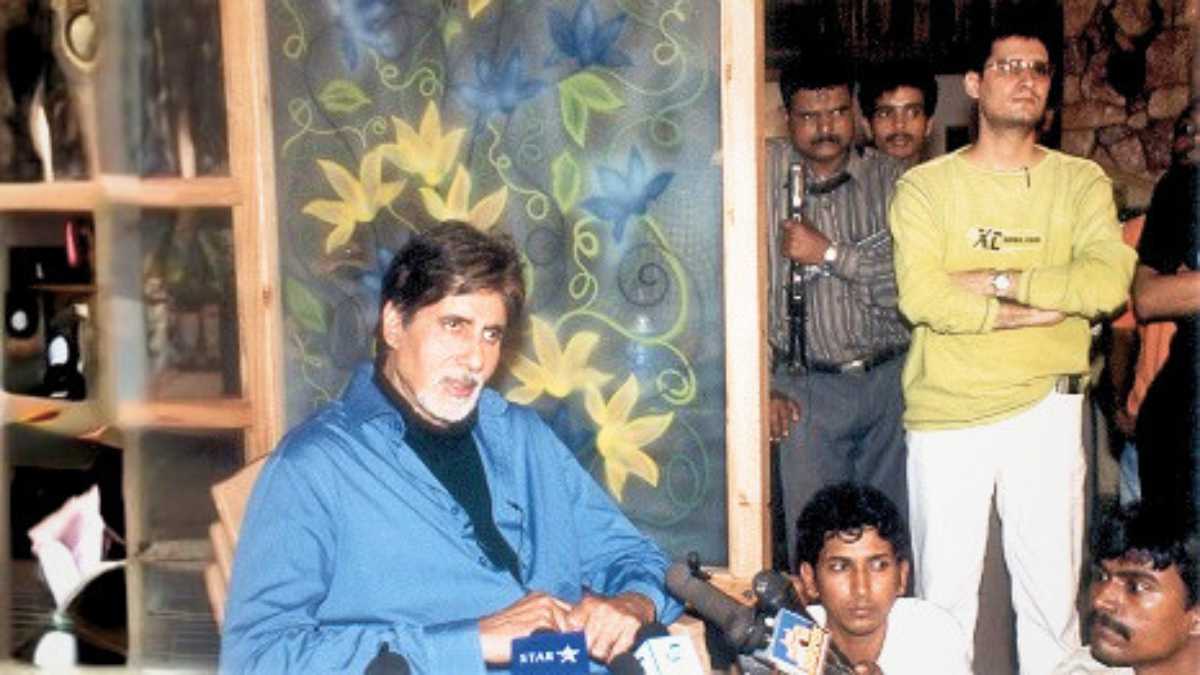
He led publicity campaigns for more than 40 films featuring the biggest names such as Amitabh Bachchan, Anil Kapoor, Rekha, Bipasha Basu, John Abraham, Kareena Kapoor, Katrina Kaif, Naseeruddin Shah, Rani Mukerji, Sanjay Dutt and Sunny Deol, including handling the PR for superhits like the Shah Rukh Khan-starrer Don and Farhan Akhtar-starrer Rock On.
And when you check Dale’s client list on his official PR agency website, you realise that these are just a few names. The list of his PR projects, trends, campaigns and accomplishments almost seems endless.
His influence travelled beyond India. He became the most internationally referenced Indian publicists, quoted and featured in over 30 countries.
His insights appeared on global media platforms such as BBC World, BBC Radio, Sky News, Channel 4, The Independent, The Guardian and The Times (UK), CNN, Voice of America, The New York Times and The Washington Post (US), International Herald Tribune (France); China Daily (China), The Sydney Morning Herald (Australia); and Pravda (Russia), particularly around crisis, image control, controversy timing and public belief priming.
In India, he earned labels that reflected his impact: PR legend, Rajinikanth of Bollywood PR and GOAT of Bollywood PR. The Times of India recognised him as one of the busiest star publicists, citing his ability to shape industry communication discipline.
What made him important was not access control alone, but the psychology behind it. He used anticipation, timing, controversy, fandom triggers and media ethics to create stories that landed cleaner, travelled further and lasted longer.
The Bollywood PR industry didn’t just adopt his system. It adopted the belief architecture behind his system.
Final takeaway from this Case Study
The practice Dale Bhagwagar introduced in 2007 became Bollywood’s industry muscle memory:
- Celebrities rarely speak to journalists without PR clearance.
- Journalists receive structured and verified material.
- Events operate through authorised access lists.
- Photographic narratives come exclusively from PR teams.
- Copy is polished before publication.
- And during controversies, his PR clients authorise only one spokesperson to speak to the media on their behalf, if required: Dale Bhagwagar.
The equation shifted not through revolt or dramatic reveal, but through a publicist who made celebrities selectively inaccessible, so their public image could become strategically accessible.
And that is how the equation changed.